
Understanding the concept of Prop Trading
Prop trading, short for exclusive trading, is a financial practice where firms trade financial instruments using their own capital instead of client funds. The primary objective is to generate direct profits for the firm rather than earning commissions from external clients. This model is trusted in global financial markets, including forex, stocks, items, and derivatives.
In prop trading, traders are typically employed or shortened by a exclusive trading firm and are given access to company capital. In return, they share some of the profits they generate. This structure creates a performance-driven environment where skill, strategy, and risk management play a central role in success.
Unlike traditional investment firms that manage client portfolios, prop trading firms take on direct market risk. This makes the approach both highly rewarding and potentially risky, depending on market conditions and trading discipline.
How Prop Trading Works in practice
Prop trading operates on a simple but highly self-displined model. Traders are given with capital allocations based on their experience, strategy, and performance evaluation. They then make use of this capital to execute trades in several financial markets.
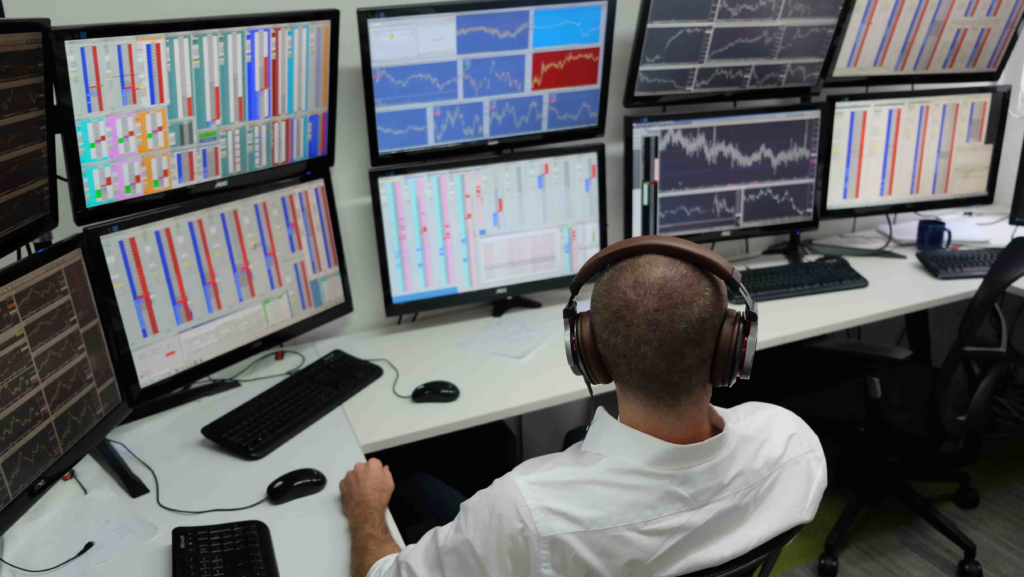
The decision-making process is often supported by advanced trading platforms, 自營交易公司 analytical tools, and real-time market data. Traders may focus on short-term opportunities such as intraday price movements or longer-term strategic positions depending on their trading style.
Risk management is a critical part of prop trading. Firms impose strict rules on maximum losses, position sizes, and drawdown limits to protect capital. Traders who consistently manage risk effectively are paid with an increase of capital allowance and higher profit-sharing ratios.
Prop trading firms may also use evaluation stages to assess new traders before according full access to capital. During this time period, traders must demonstrate consistent earning and self-displined risk control.
Advantages and Challenges of Prop Trading
Opportunities for Skilled Traders
Several advantages of prop trading is access to significant capital without requiring personal investment. This permits skilled traders to participate in larger market positions and potentially generate higher returns.
It also has an environment focused on performance and growth. Traders benefit from professional tools, structured training, and real-time feedback that can enhance their decision-making abilities. For many individuals, prop trading serves as a gateway to developing a professional trading career.
Another benefit is the profit-sharing model. Successful traders can earn a substantial area of their trading profits, making it an incredibly attractive career option for those with strong analytical and risk management skills.
Risks and Performance Pressure
Despite its advantages, prop trading comes with significant challenges. The most known is performance pressure. Since traders operate with firm capital, consistent earning is required to maintain access to funding and continue trading.
Strict risk limits can also be challenging, especially in volatile markets. A single poor trading decision may cause loss of funding or end of contract from the program. This creates an incredibly competitive and self-displined environment where emotional control is essential.
Market unpredictability is another factor that influences outcomes. Even experienced traders face periods of losses due to sudden market changes or unexpected economic events.
The future of Prop Trading
Growth in Technology and Accessibility
Prop trading continues to change with advancements in technology and algorithmic trading systems. Many firms now incorporate artificial brains, automated strategies, and data-driven decision-making to improve trading efficiency.
Additionally, the rise of remote trading programs has made prop trading more accessible to individuals worldwide. Traders are now able to participate in global markets without being physically present in financial hubs.
Conclusion
Prop trading is a dynamic and performance-driven approach to financial markets that provides both opportunity and challenge. It allows skilled traders to access significant capital and develop professional trading careers while operating in a structured and self-displined environment. When combined with strong risk management and consistent strategy, prop trading can become a powerful walkway in modern financial trading.